On September 18th, the Federal Reserve cut interest rates by 50 basis points—one of the most aggressive cuts in recent memory. This decision had immediate effects across markets, especially precious metals.
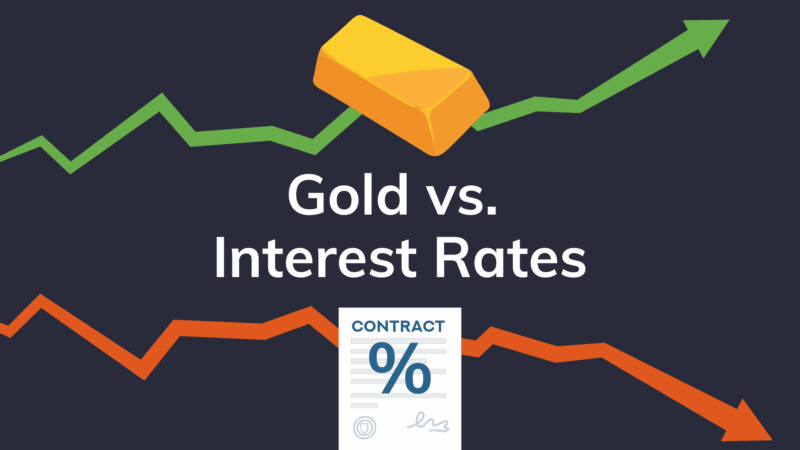
Gold and interest rates have an inverse relationship. When interest rates fall, the price of gold tends to rise, and vice versa.
The “gold spot price” refers to the price an investor will pay for the immediate delivery of one ounce of gold. But who decides it?
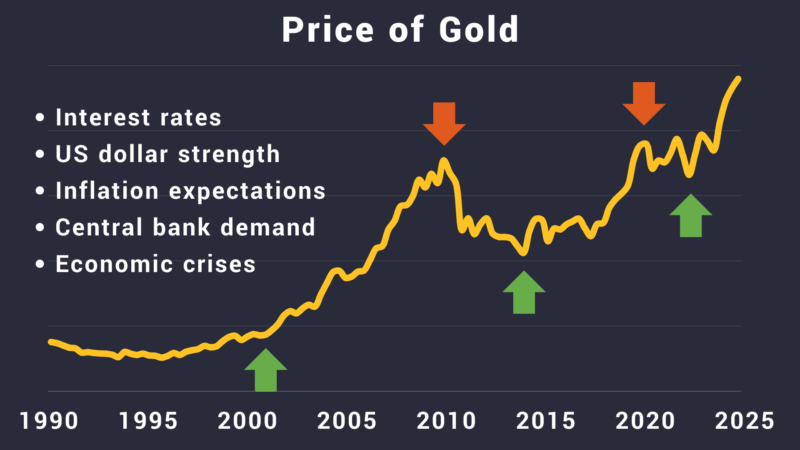
The price of gold rises when some event encourages marginal buyers to buy, or discourages marginal sellers from selling. This article discusses the top 10 factors that drive gold prices.
An unexpected slowdown in the CPI caused a sharp drop in the dollar, incentivizing buyers to chase gold and silver.
Gold is hovering around $2,320/ounce, down from its all-time high of $2,450 on May 20th. Silver has taken a bigger hit; down 11% from its May peak.
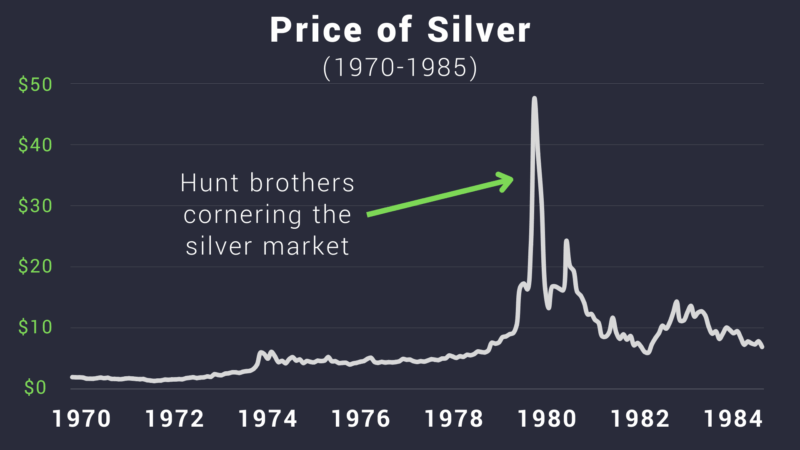
The price of silver is determined by supply and demand on major exchanges, as traders react to inflation expectations, interest rates, industrial demand, and geopolitical events.
Silver skyrocketed this month as the market realized the world will demand much more industrial metal than miners can provide. And yet, silver remains far below its 2011 high.
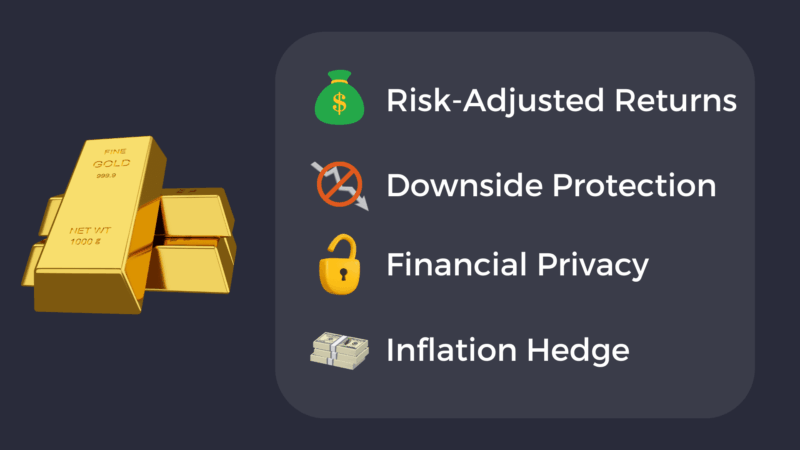
Gold is immune to inflation, valued across every culture, and independent of banks, governments, and corporations. Today, gold's greatest benefit for investors is its ability to improve risk-adjusted returns in a portfolio.
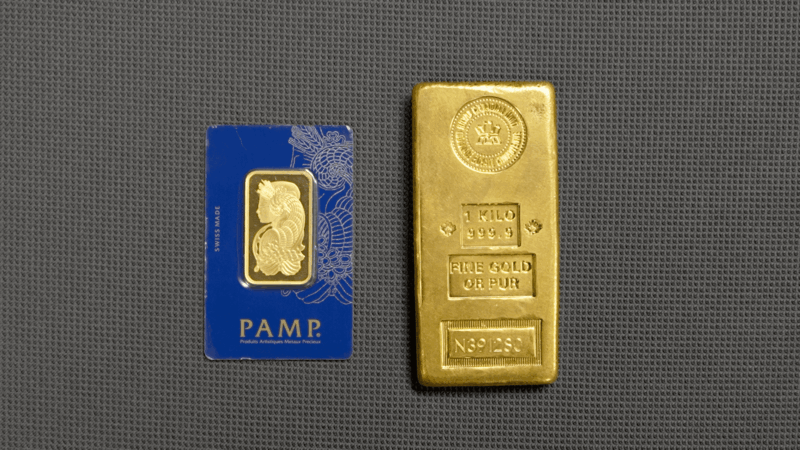
Costco enthusiasts love the big box store for household goods and $1.50 hot dogs. But now, card-carrying members are flocking to the retailer for… Costco gold bars?