
Gold surges in the face of rising yields
Typically, rising yields are bad for gold. Not this year. Rising yields represent an increasing risk of a public debt crisis, for which gold may be the only remedy.

Typically, rising yields are bad for gold. Not this year. Rising yields represent an increasing risk of a public debt crisis, for which gold may be the only remedy.
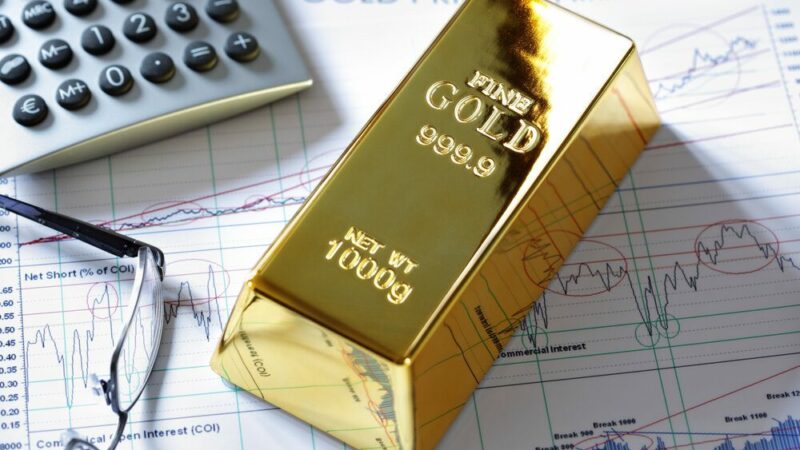
When the Fed cuts interest rates this summer, gold and silver stand to absorb billions of dollars as investors redeploy their mountain of cash.
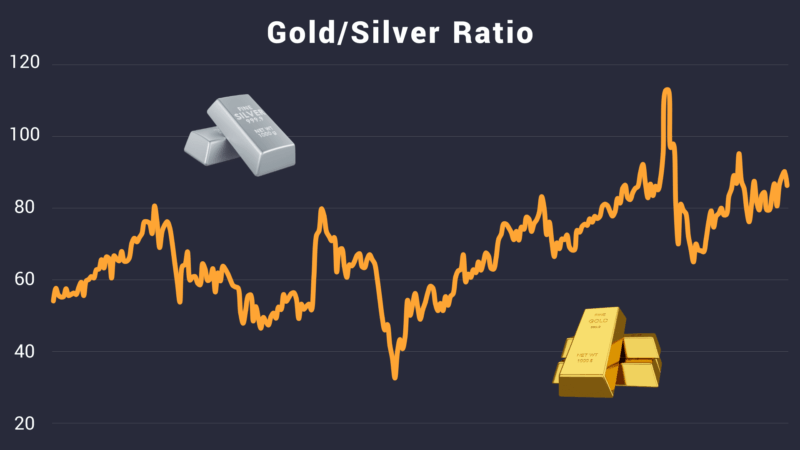
The gold/silver ratio = price of gold divided by the price of silver. Here is how to use the ratio to spot opportunities in the precious metals market.
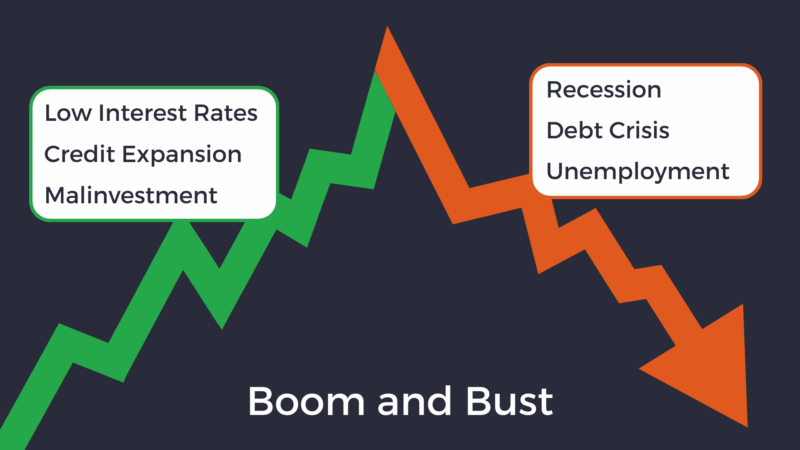
Economic crashes begin with artificially low interest rates and credit expansion which lead to a misallocation of resources, inevitably culminating in a recession.
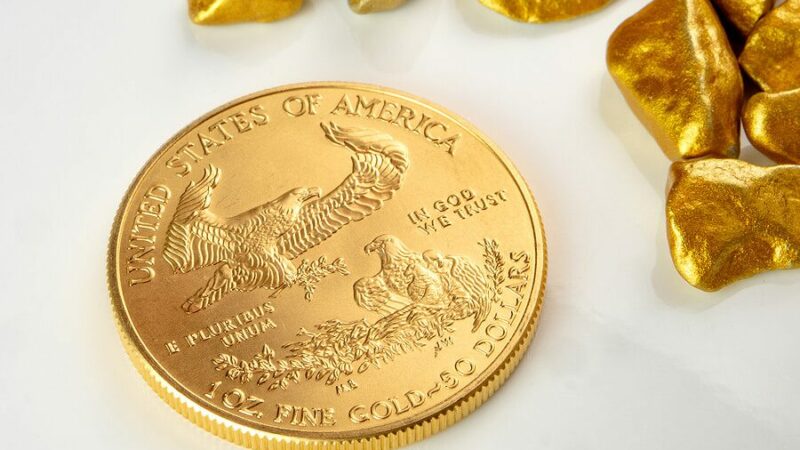
Gold has risen 6% in less than a week, achieving an all-time high.

Low credit spreads and surges in “extreme greed” often reflect a fervor which disregards proper risk assessment.

Watch the replay: David McAlvany, CEO of Vaulted, discusses the 2024 economic outlook and strategies for investors.

Gold hit $2,146/oz on Monday, exceeding its previous all-time high by $65.

Prior to 1971, the US dollar was backed by gold. Today, the dollar is backed by 2 things: the government’s ability to generate revenues (via debt or taxes), and its authority to compel economic participants to transact in dollars.

Monetary tightening has created difficulties for the US and foreign governments in managing debt. As these issues persist, gold's role as a hedge against monetary instability and geopolitical unrest becomes increasingly important.