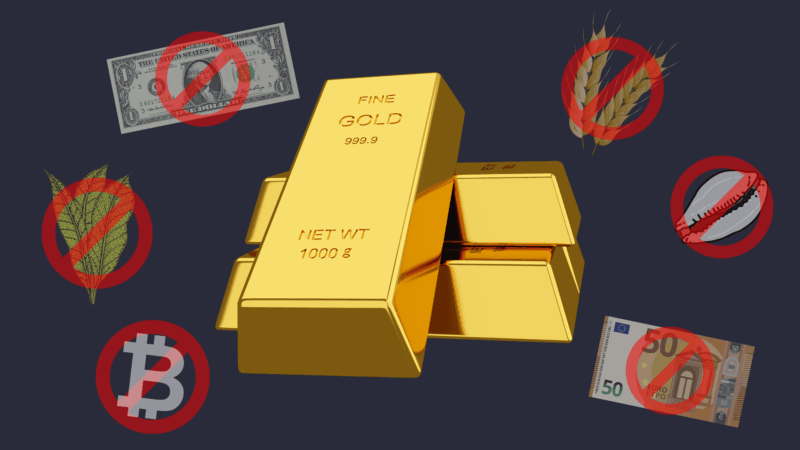
Why Do People Say “Gold is Money”?
History, economic theory, and empirical evidence: three arguments supporting gold as the purest form of money.

History, economic theory, and empirical evidence: three arguments supporting gold as the purest form of money.

We are all familiar with gold’s visual beauty, which made it the precious metal of kings and emperors for thousands of years. Today, this illustrious yellow metal is no longer reserved for royalty. You rely on gold every day, as does anyone who takes advantage of modern electronics, dentistry, medicine, and…space travel?

Fiat currencies rule the world, despite their shoddy track record over the last 100 years. What can we learn from fiat currency collapses in recent history?
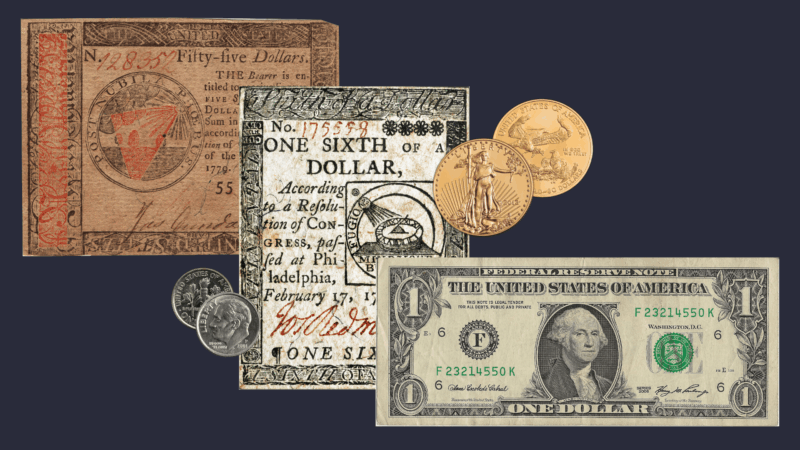
To understand the history of US monetary system, we must grasp the role of its central protagonist: gold.

The long-term risks of quantitative easing, including eroding the credibility of the US dollar, are closely linked to gold's performance.

In the 1990s, Japan’s economy crashed after a frenzy of debt, speculation, and easy money. Japan’s lost decade now stands as a dire warning to modern economists.
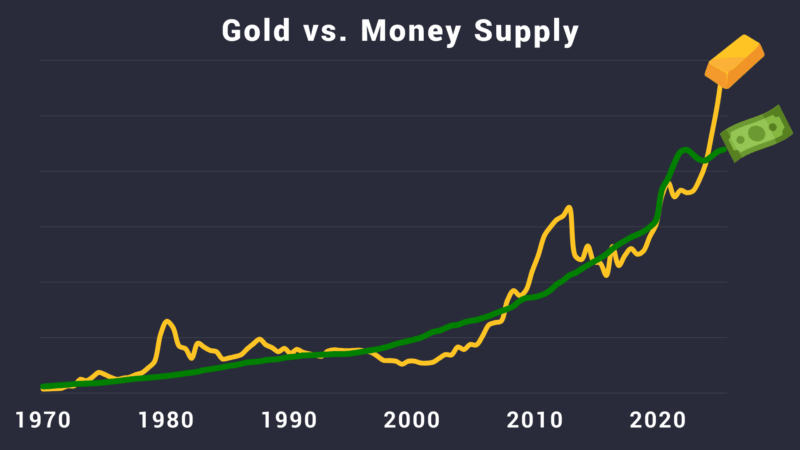
History is clear: when the money supply increases, the gold price follows. The more dollars are printed, the more can be stuffed into the earth’s limited supply of gold.
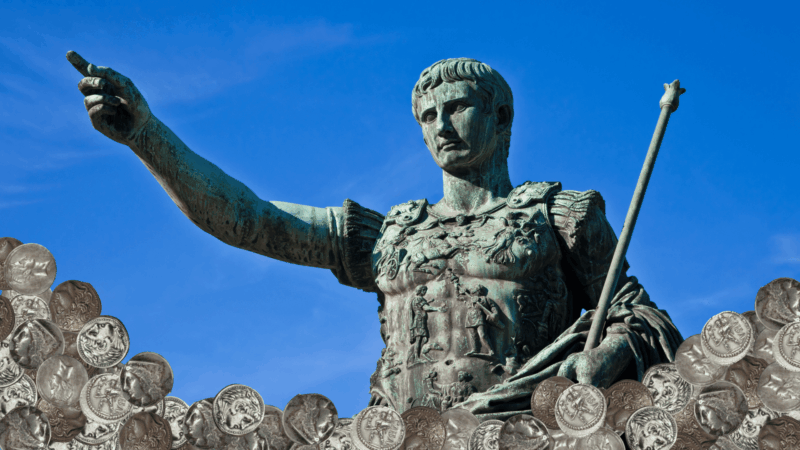
When Matthew wrote his gospel in 85 AD, one pure silver Denarius covered the daily wages of a skilled Roman craftsman. Three hundred years later, the coin had been reduced to a worthless scrap of copper alongside a crumbled empire.
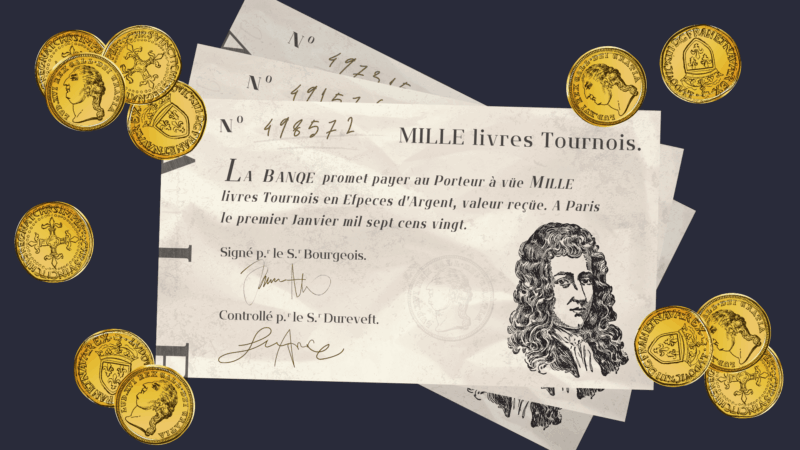
If you happened to be walking around Paris from 1715 to 1722, you would have encountered one of the first experiments with paper money, centralized banking, and fractional reserves.
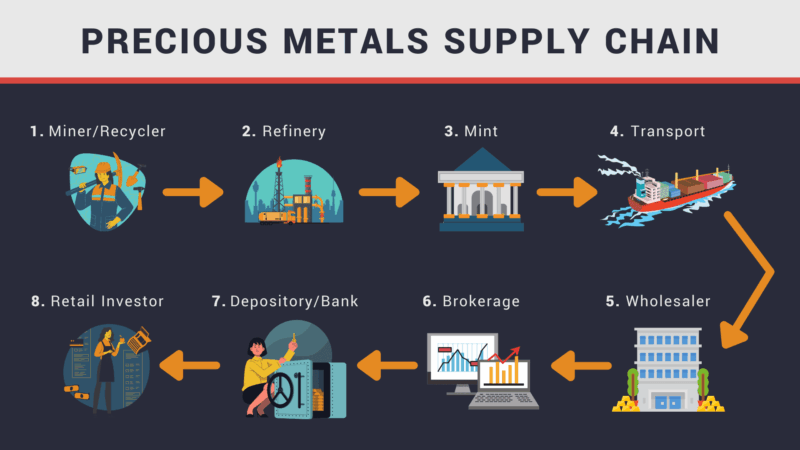
The gold supply chain has generated vast riches, strengthened the global economy, and shaped civilizations. Let’s take a look at how the supply chain functions today.