Gold and Silver Taxes Explained (IRS + State Rules)
This article offers a comprehensive overview of U.S. state and federal tax rules for precious metals.

This article offers a comprehensive overview of U.S. state and federal tax rules for precious metals.
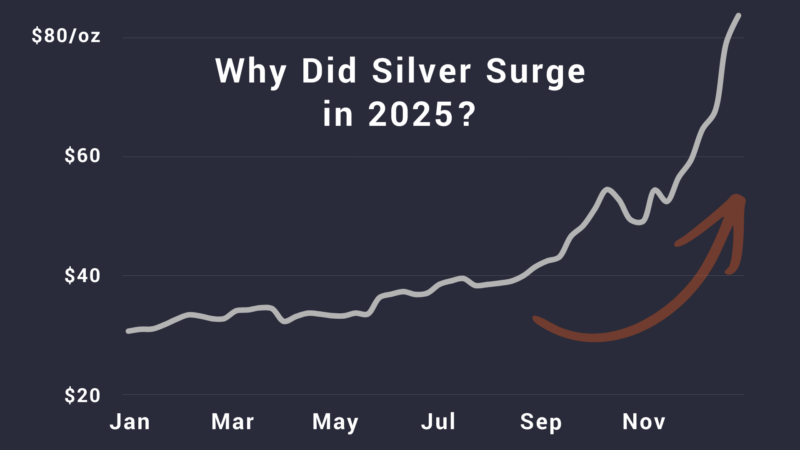
In 2025, silver experienced a radical repricing—from a low of $28.3/oz to a high of $87.7/oz (a 210% move). In this article, we will explain the forces that caused the silver surge.
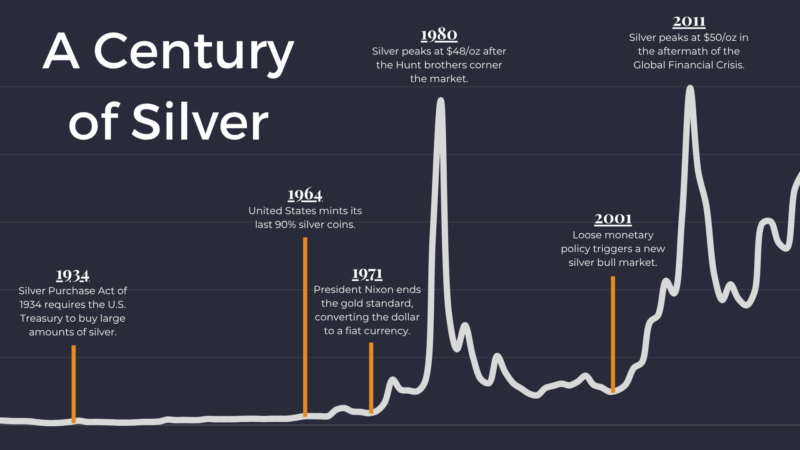
We’ll explore the silver price history from 1925 to today and zoom in on recent decades (30-year and 10-year price trends).
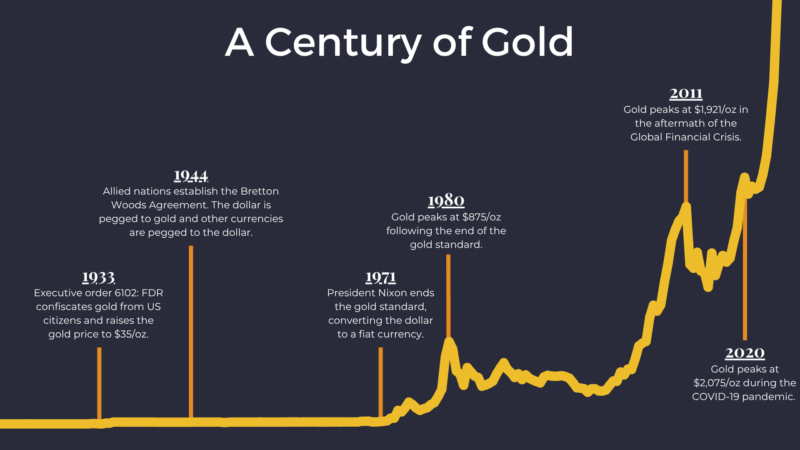
We’ll explore the gold price history from 1925 to today and zoom in on recent decades (30-year and 10-year price trends).
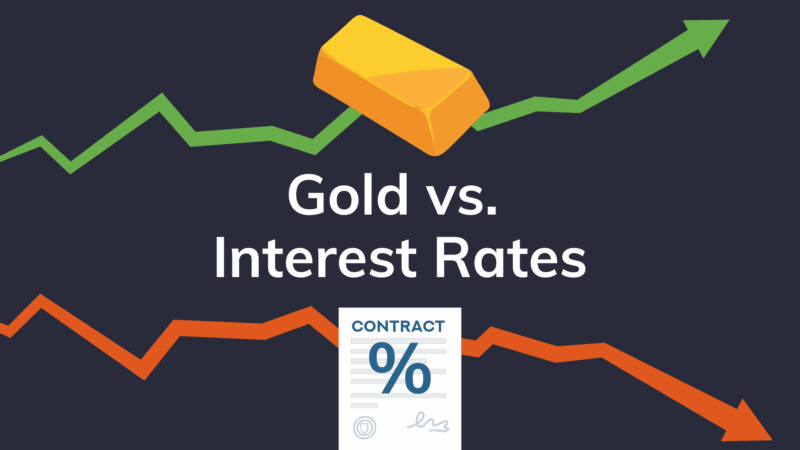
Gold and interest rates have an inverse relationship. When interest rates fall, the price of gold tends to rise, and vice versa.
The “gold spot price” refers to the price an investor will pay for the immediate delivery of one ounce of gold. But who decides it?
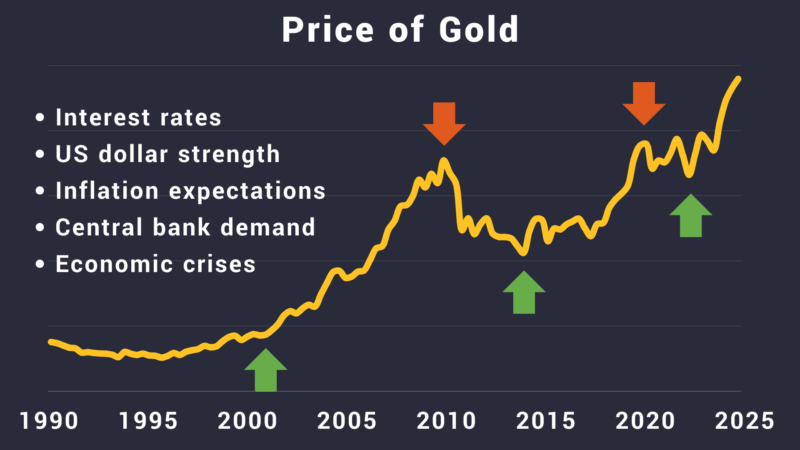
The price of gold rises when some event encourages marginal buyers to buy, or discourages marginal sellers from selling. This article discusses the top 10 factors that drive gold prices.
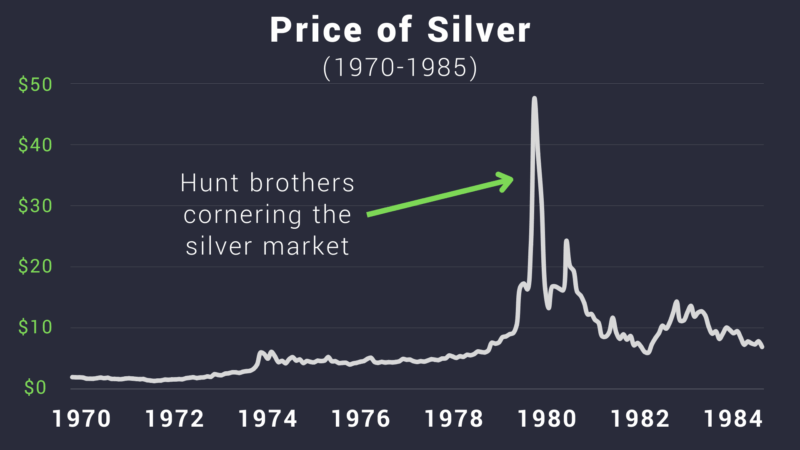
The price of silver is determined by supply and demand on major exchanges, as traders react to inflation expectations, interest rates, industrial demand, and geopolitical events.
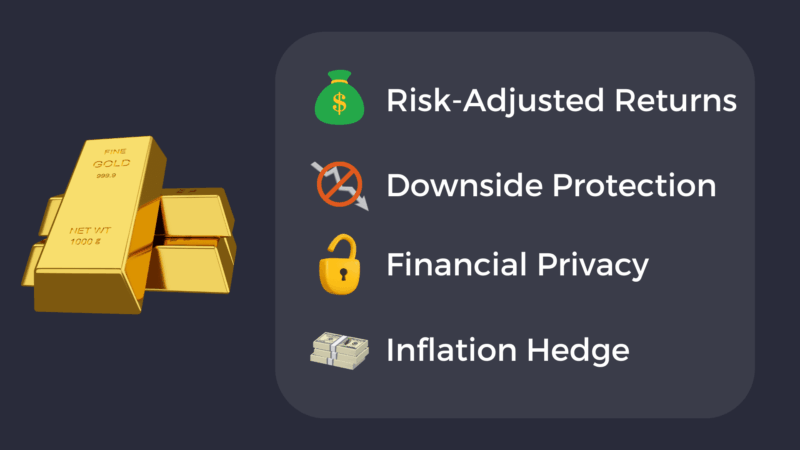
Gold is immune to inflation, valued across every culture, and independent of banks, governments, and corporations. Today, gold's greatest benefit for investors is its ability to improve risk-adjusted returns in a portfolio.
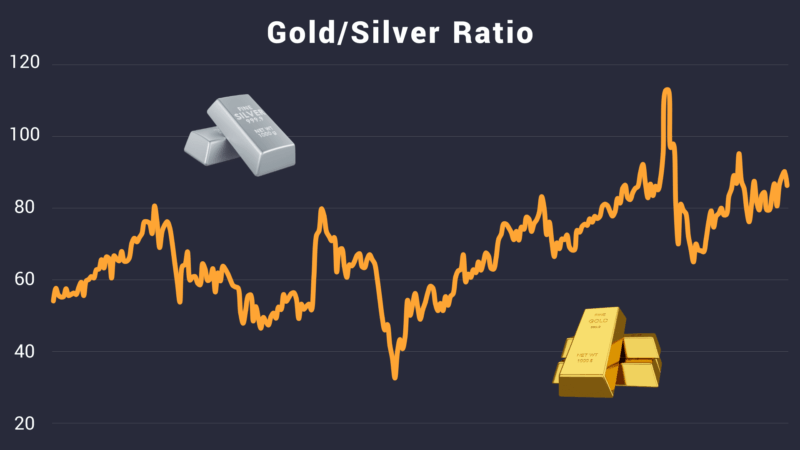
The gold/silver ratio = price of gold divided by the price of silver. Here is how to use the ratio to spot opportunities in the precious metals market.