Gold Needs a Fed Pivot
The stock market is a casualty in the Fed’s fight against inflation. Will the entire economy follow? If so, will the Fed make a dovish pivot?

The stock market is a casualty in the Fed’s fight against inflation. Will the entire economy follow? If so, will the Fed make a dovish pivot?
As global food and commodity prices surge, nations are turning inward to protect their own food security. For emerging economies, inflation has a particularly nasty bite.
When public debt starts hitting the tens of trillions, governments only have one option: inflate it away. Sorry citizens!

Individual investors are relentlessly “buying the dip,” yet stocks continue to tumble. Maybe it’s time to abandon the risky bets and get into something real?
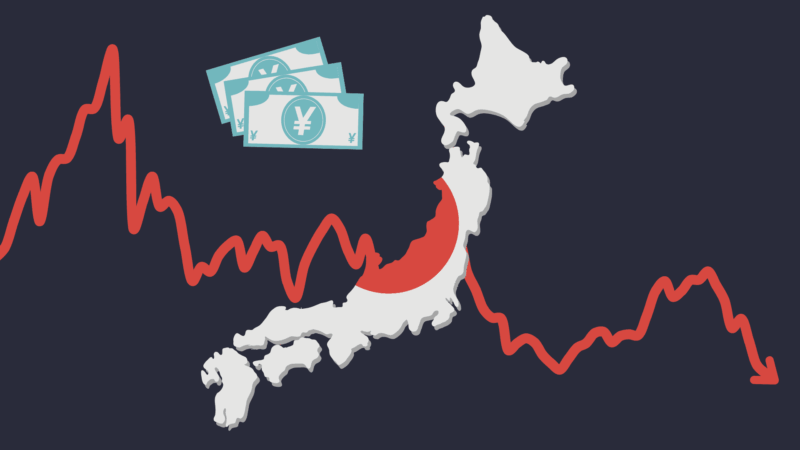
In the 1990s, Japan’s economy crashed after a frenzy of debt, speculation, and easy money. Japan’s lost decade now stands as a dire warning to modern economists.
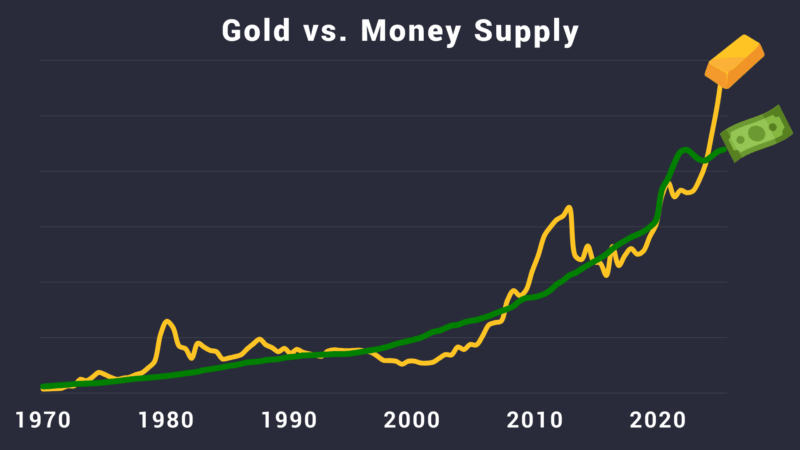
History is clear: when the money supply increases, the gold price follows. The more dollars are printed, the more can be stuffed into the earth’s limited supply of gold.

When Matthew wrote his gospel in 85 AD, one pure silver Denarius covered the daily wages of a skilled Roman craftsman. Three hundred years later, the coin had been reduced to a worthless scrap of copper alongside a crumbled empire.
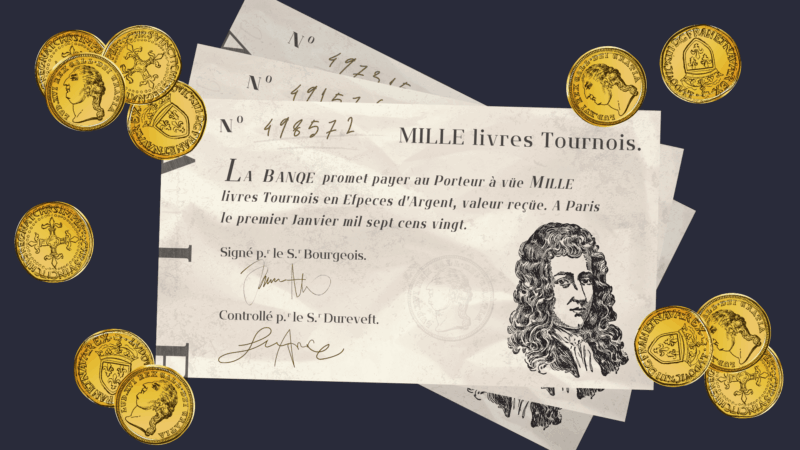
If you happened to be walking around Paris from 1715 to 1722, you would have encountered one of the first experiments with paper money, centralized banking, and fractional reserves.

Everything you need to know about the two top choices for hedging against the U.S. dollar, and how to take advantage of the forces driving this battle.

Gold’s ability to serve the role of currency, industrial material, and aesthetic symbol make it one of the most unique creations of the natural world.