Momentum is hot in the metals market
An unexpected slowdown in the CPI caused a sharp drop in the dollar, incentivizing buyers to chase gold and silver.

An unexpected slowdown in the CPI caused a sharp drop in the dollar, incentivizing buyers to chase gold and silver.
Gold is hovering around $2,320/ounce, down from its all-time high of $2,450 on May 20th. Silver has taken a bigger hit; down 11% from its May peak.
Typically, rising yields are bad for gold. Not this year. Rising yields represent an increasing risk of a public debt crisis, for which gold may be the only remedy.
When the Fed cuts interest rates this summer, gold and silver stand to absorb billions of dollars as investors redeploy their mountain of cash.
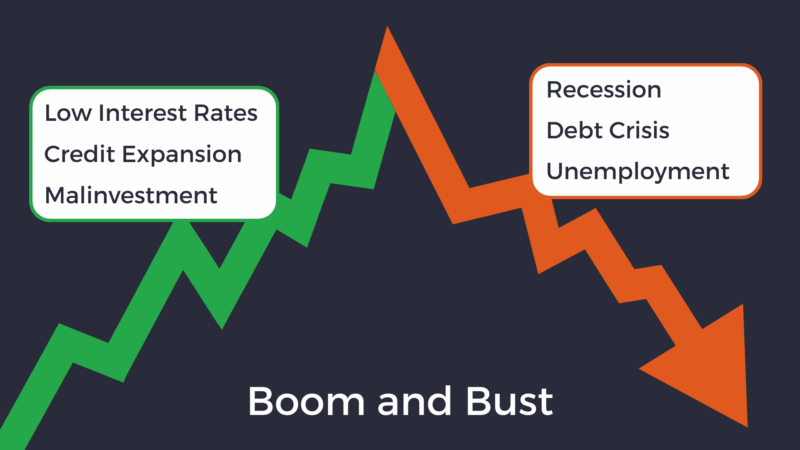
Economic crashes begin with artificially low interest rates and credit expansion which lead to a misallocation of resources, inevitably culminating in a recession.
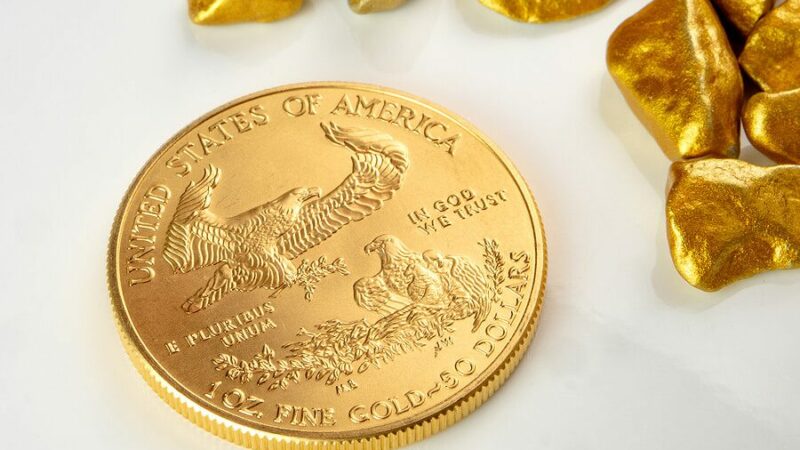
Gold has risen 6% in less than a week, achieving an all-time high.

Prior to 1971, the US dollar was backed by gold. Today, the dollar is backed by 2 things: the government’s ability to generate revenues (via debt or taxes), and its authority to compel economic participants to transact in dollars.
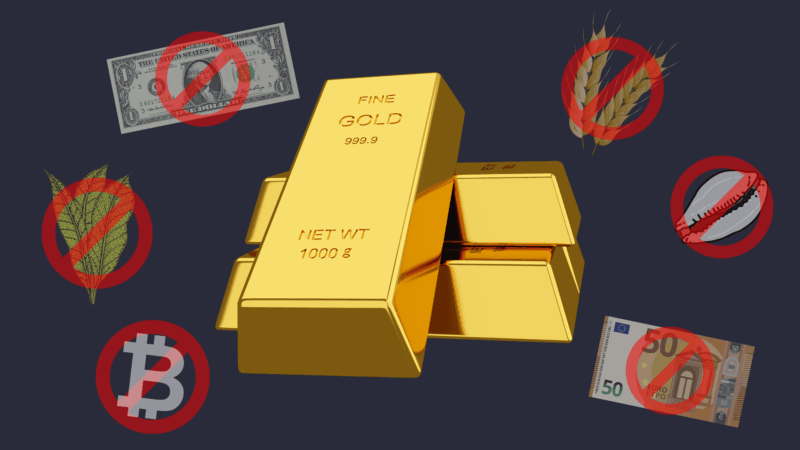
History, economic theory, and empirical evidence: three arguments supporting gold as the purest form of money.
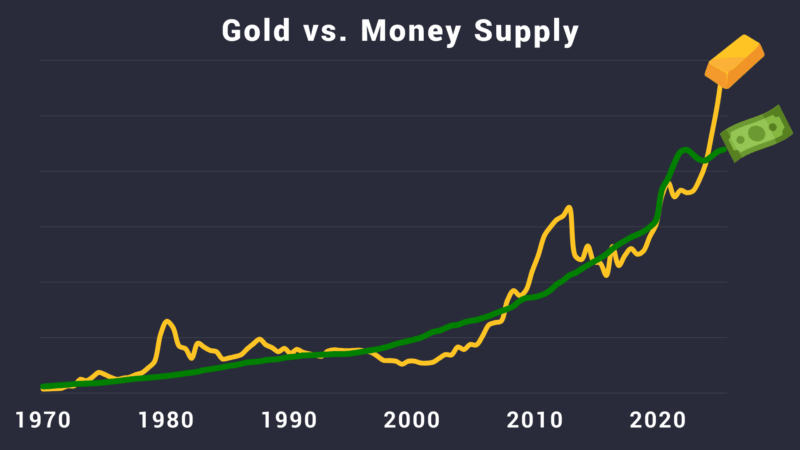
History is clear: when the money supply increases, the gold price follows. The more dollars are printed, the more can be stuffed into the earth’s limited supply of gold.
Everything you need to know about the two top choices for hedging against the U.S. dollar, and how to take advantage of the forces driving this battle.