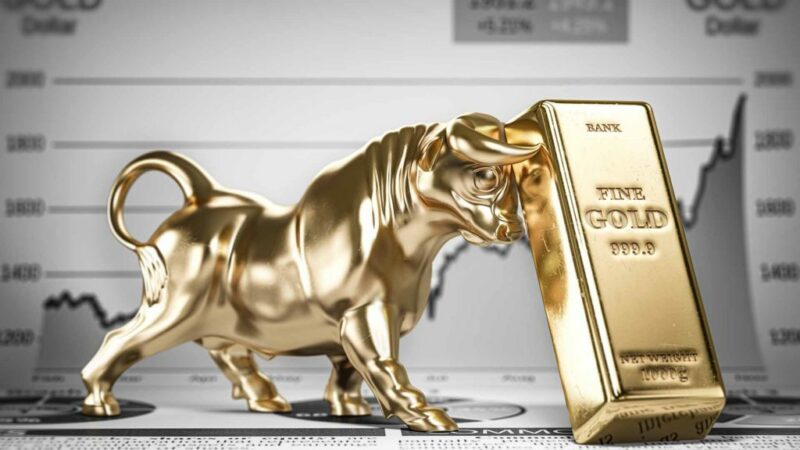
Gold surges in the face of rising yields
Typically, rising yields are bad for gold. Not this year. Rising yields represent an increasing risk of a public debt crisis, for which gold may be the only remedy.

Typically, rising yields are bad for gold. Not this year. Rising yields represent an increasing risk of a public debt crisis, for which gold may be the only remedy.
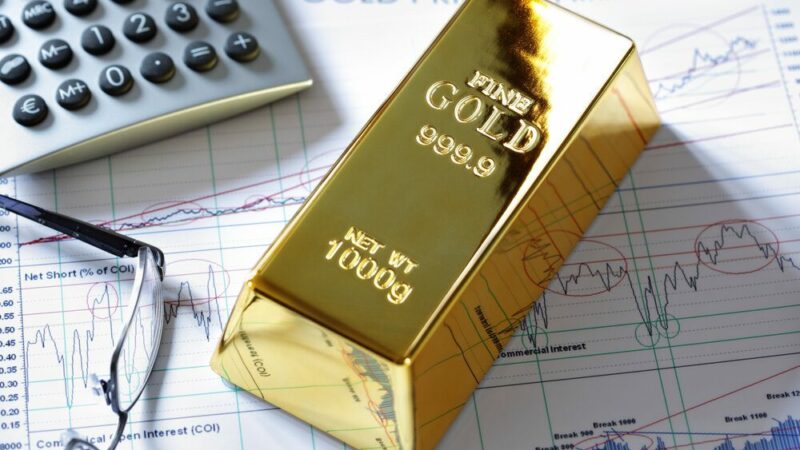
When the Fed cuts interest rates this summer, gold and silver stand to absorb billions of dollars as investors redeploy their mountain of cash.
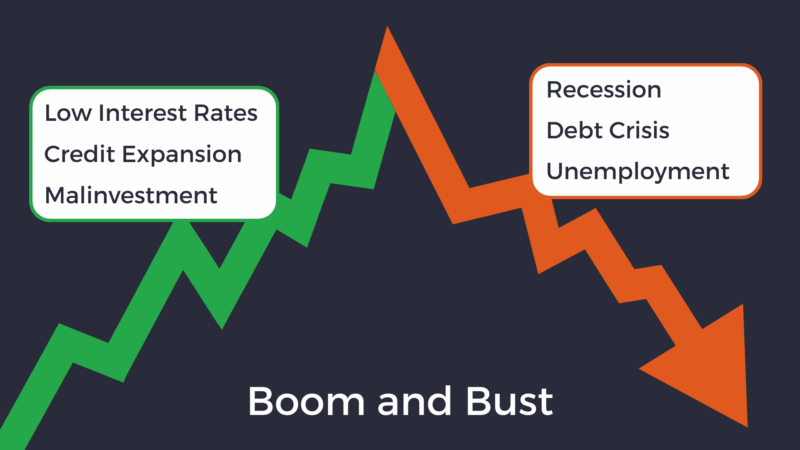
Economic crashes begin with artificially low interest rates and credit expansion which lead to a misallocation of resources, inevitably culminating in a recession.
Gold has risen 6% in less than a week, achieving an all-time high.

Because the entire global financial system was built on gold. Today, the gold price sends important signals about the economic health of the world’s most powerful nations.

The long-term risks of quantitative easing, including eroding the credibility of the US dollar, are closely linked to gold's performance.
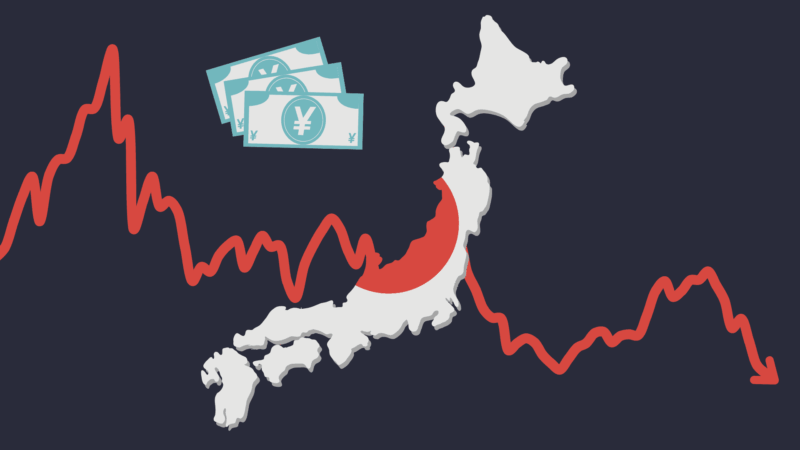
In the 1990s, Japan’s economy crashed after a frenzy of debt, speculation, and easy money. Japan’s lost decade now stands as a dire warning to modern economists.
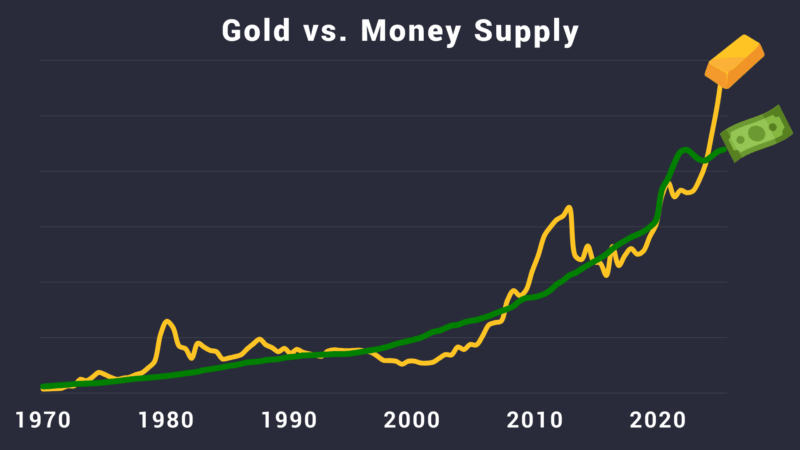
History is clear: when the money supply increases, the gold price follows. The more dollars are printed, the more can be stuffed into the earth’s limited supply of gold.

When Matthew wrote his gospel in 85 AD, one pure silver Denarius covered the daily wages of a skilled Roman craftsman. Three hundred years later, the coin had been reduced to a worthless scrap of copper alongside a crumbled empire.

Everything you need to know about the two top choices for hedging against the U.S. dollar, and how to take advantage of the forces driving this battle.