Treasury Yields and Gold Rise in Tandem
Typically, we expect the price of gold to fall when yields rise. But over the last two months, Treasury yields and gold have surged together.

Typically, we expect the price of gold to fall when yields rise. But over the last two months, Treasury yields and gold have surged together.
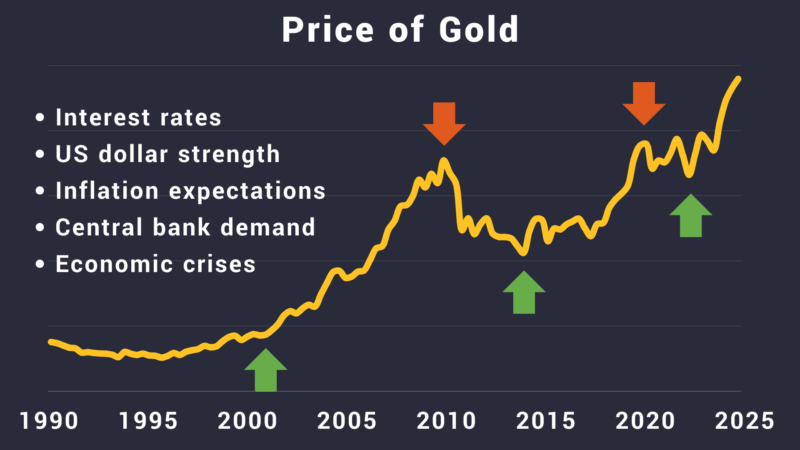
The price of gold rises when some event encourages marginal buyers to buy, or discourages marginal sellers from selling. This article discusses the top 10 factors that drive gold prices.
Gold is hovering around $2,320/ounce, down from its all-time high of $2,450 on May 20th. Silver has taken a bigger hit; down 11% from its May peak.
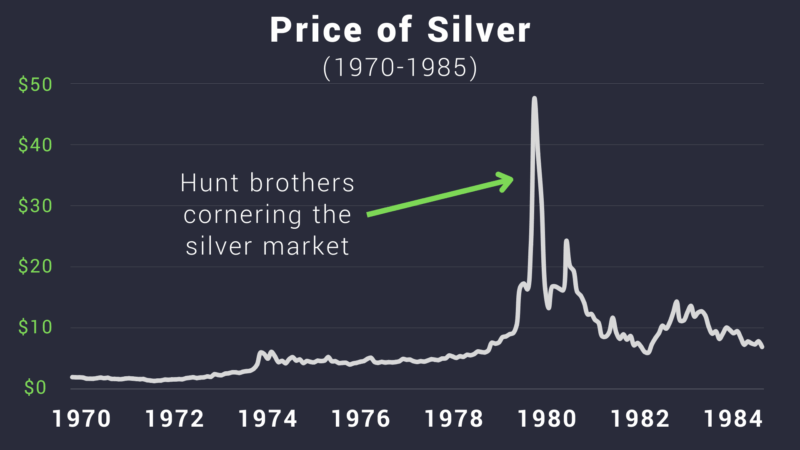
The price of silver is determined by supply and demand on major exchanges, as traders react to inflation expectations, interest rates, industrial demand, and geopolitical events.
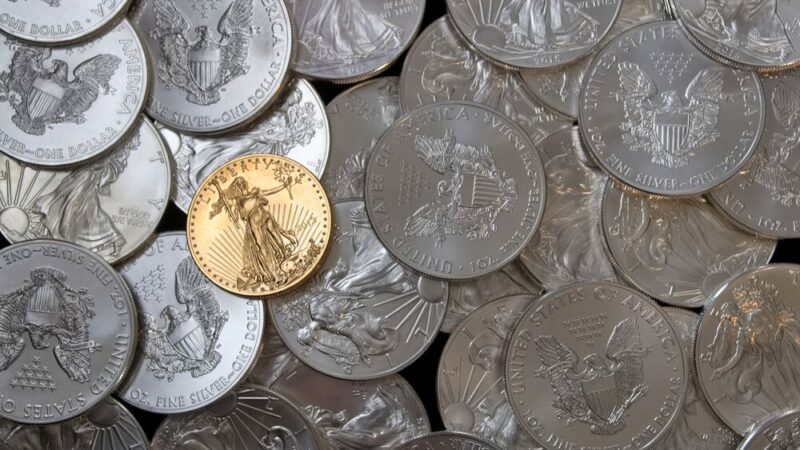
Silver skyrocketed this month as the market realized the world will demand much more industrial metal than miners can provide. And yet, silver remains far below its 2011 high.
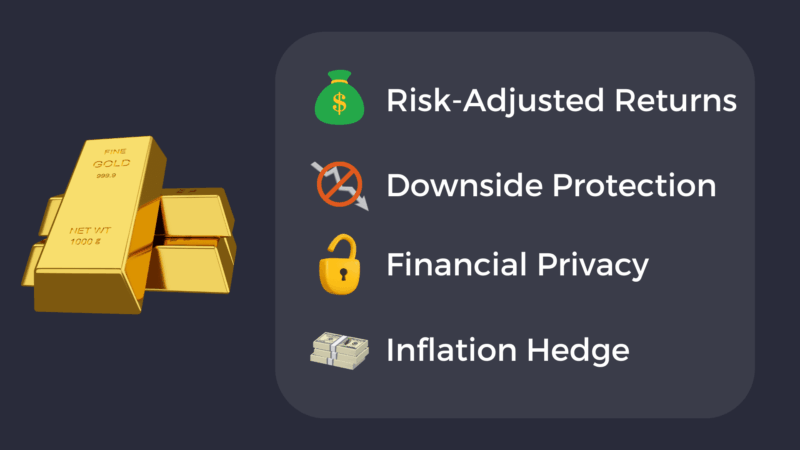
Gold is immune to inflation, valued across every culture, and independent of banks, governments, and corporations. Today, gold's greatest benefit for investors is its ability to improve risk-adjusted returns in a portfolio.
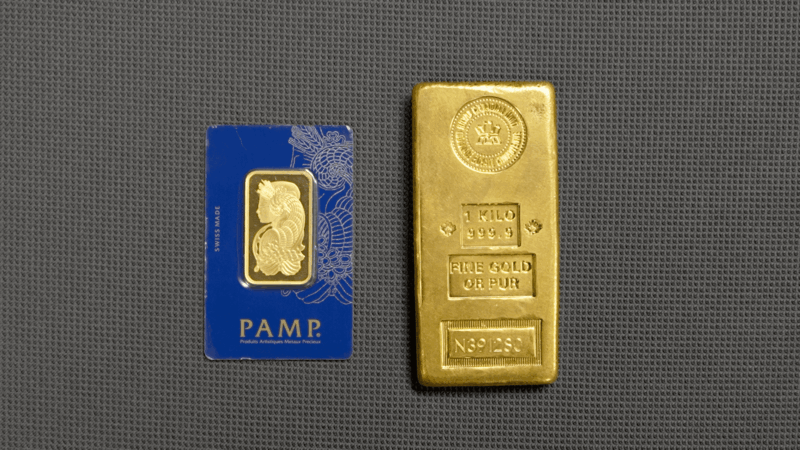
Costco enthusiasts love the big box store for household goods and $1.50 hot dogs. But now, card-carrying members are flocking to the retailer for… Costco gold bars?
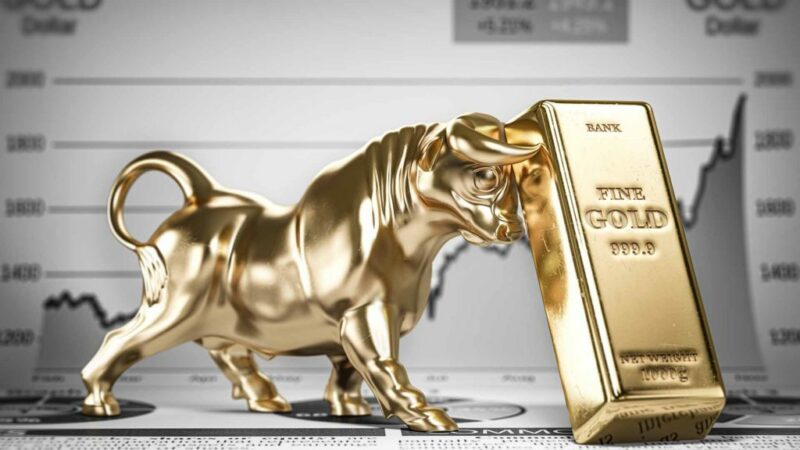
Typically, rising yields are bad for gold. Not this year. Rising yields represent an increasing risk of a public debt crisis, for which gold may be the only remedy.
When the Fed cuts interest rates this summer, gold and silver stand to absorb billions of dollars as investors redeploy their mountain of cash.
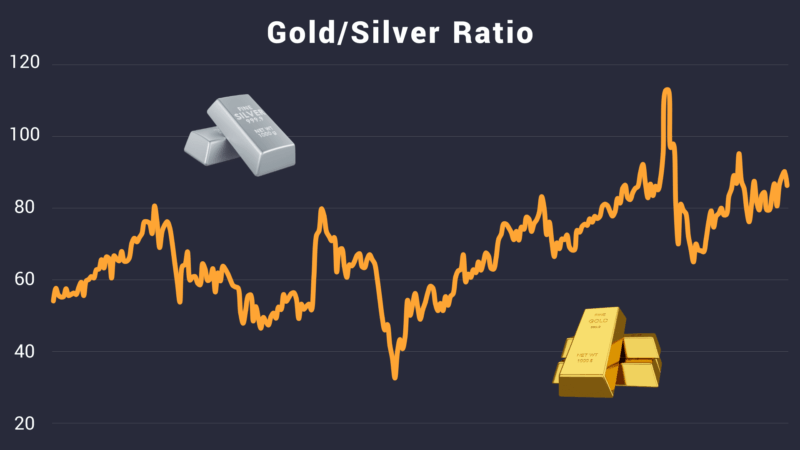
The gold/silver ratio = price of gold divided by the price of silver. Here is how to use the ratio to spot opportunities in the precious metals market.