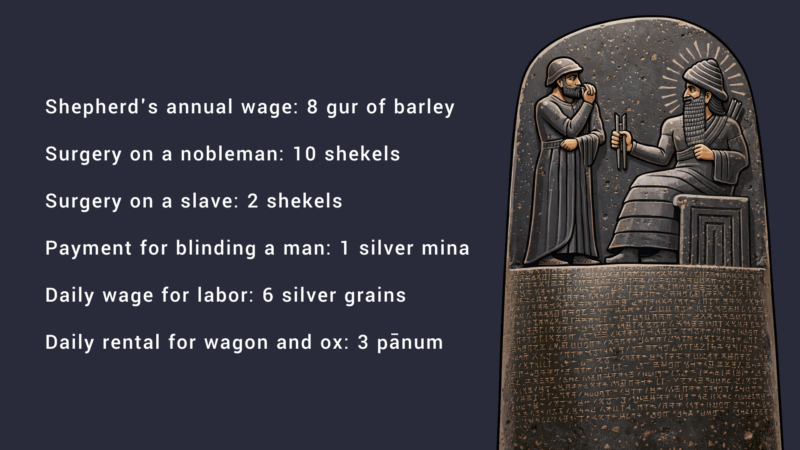
Comparing Ancient Babylonian Prices to Today
This article uses gold as a stable benchmark to translate wages and prices from Hammurabi’s Code into modern terms.

This article uses gold as a stable benchmark to translate wages and prices from Hammurabi’s Code into modern terms.
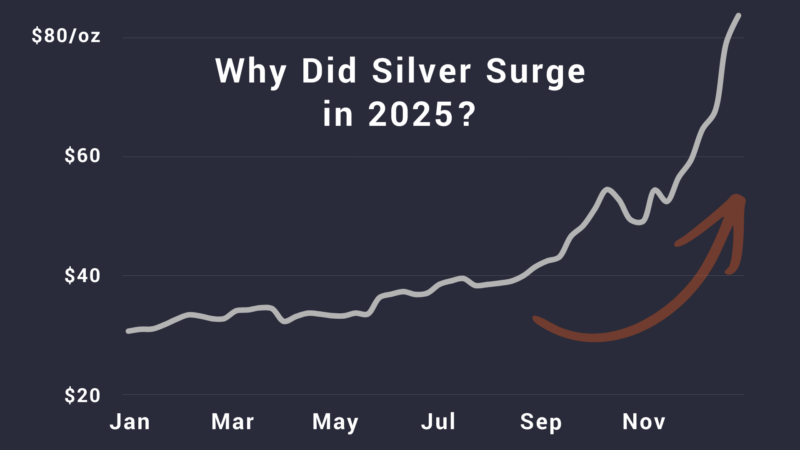
In 2025, silver experienced a radical repricing—from a low of $28.3/oz to a high of $87.7/oz (a 210% move). In this article, we will explain the forces that caused the silver surge.
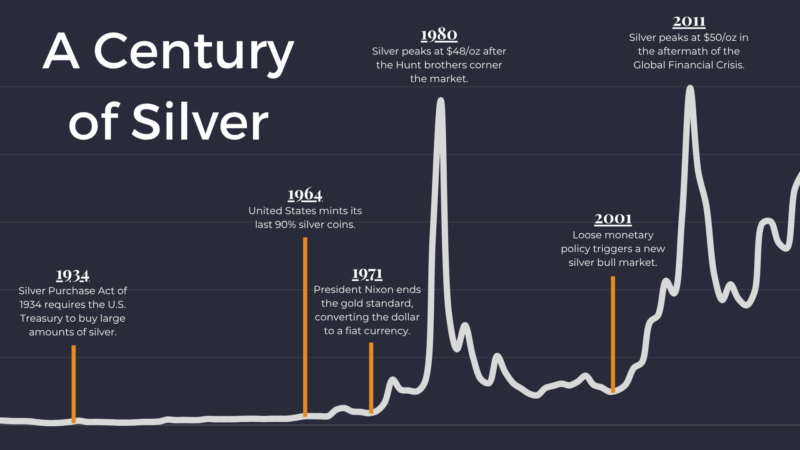
We’ll explore the silver price history from 1925 to today and zoom in on recent decades (30-year and 10-year price trends).
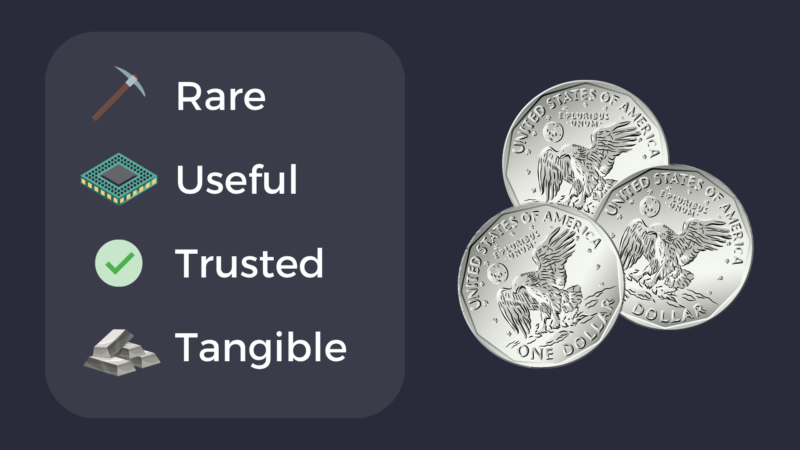
Silver is one of the most attractive investment opportunities today. Despite its growing applications in technology, silver remains extremely undervalued.
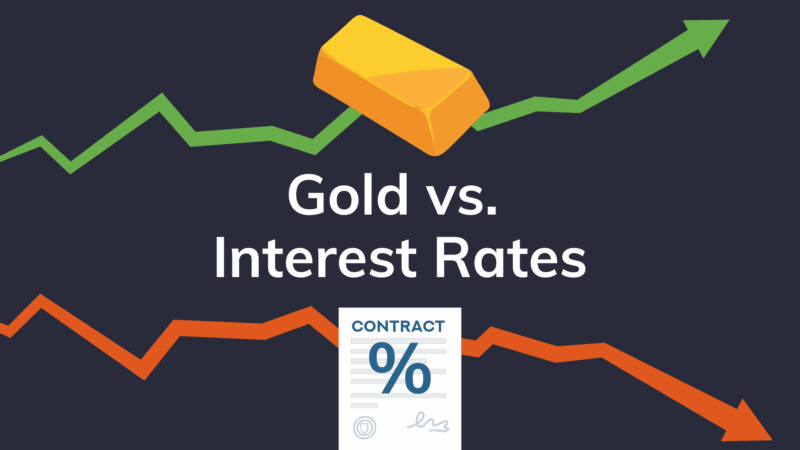
Gold and interest rates have an inverse relationship. When interest rates fall, the price of gold tends to rise, and vice versa.
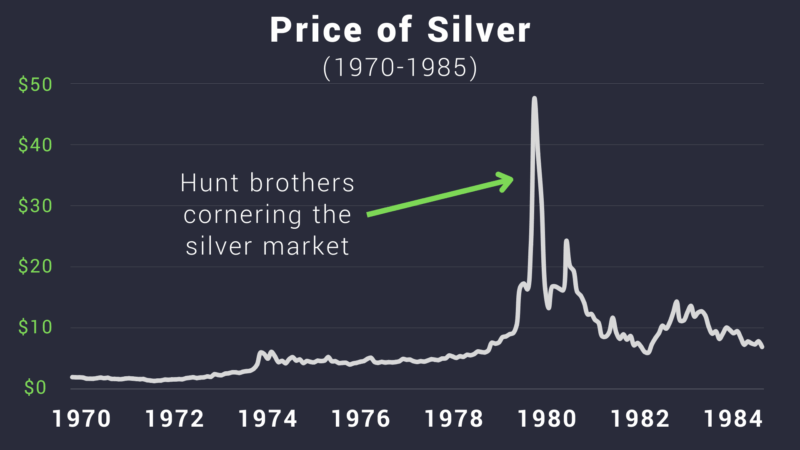
The price of silver is determined by supply and demand on major exchanges, as traders react to inflation expectations, interest rates, industrial demand, and geopolitical events.
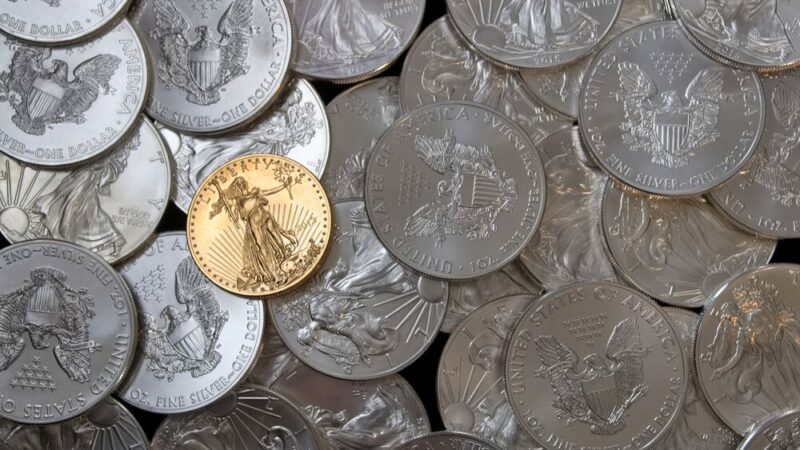
Silver skyrocketed this month as the market realized the world will demand much more industrial metal than miners can provide. And yet, silver remains far below its 2011 high.
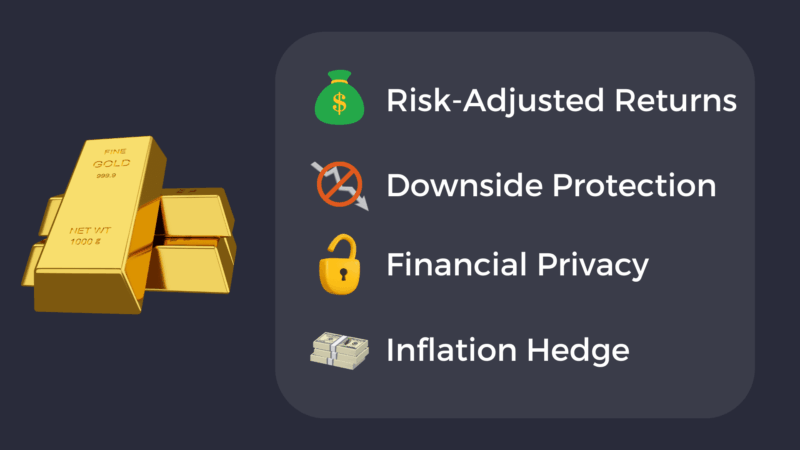
Gold is immune to inflation, valued across every culture, and independent of banks, governments, and corporations. Today, gold's greatest benefit for investors is its ability to improve risk-adjusted returns in a portfolio.
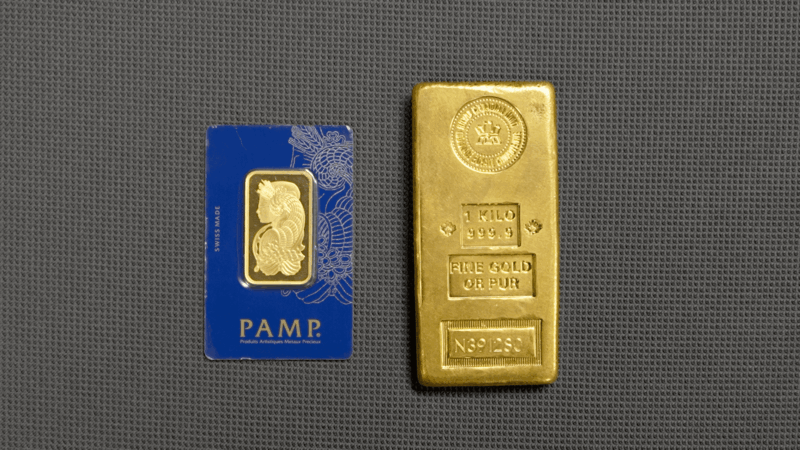
Costco enthusiasts love the big box store for household goods and $1.50 hot dogs. But now, card-carrying members are flocking to the retailer for… Costco gold bars?
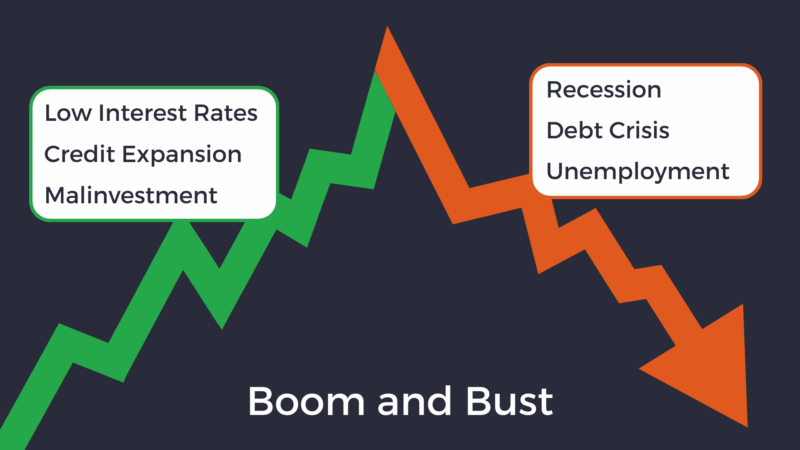
Economic crashes begin with artificially low interest rates and credit expansion which lead to a misallocation of resources, inevitably culminating in a recession.